

Travel Articles
Filter
Our travel blog will be a great guide for your travel in the Caucasus and Central Asia. Here you will find great tips for your trip preparation, as well as lot's of useful information about culture, history, food and accommodation in Armenia, Georgia, Azerbaijan and five Stans. Here we share our local opinion and recommendations.
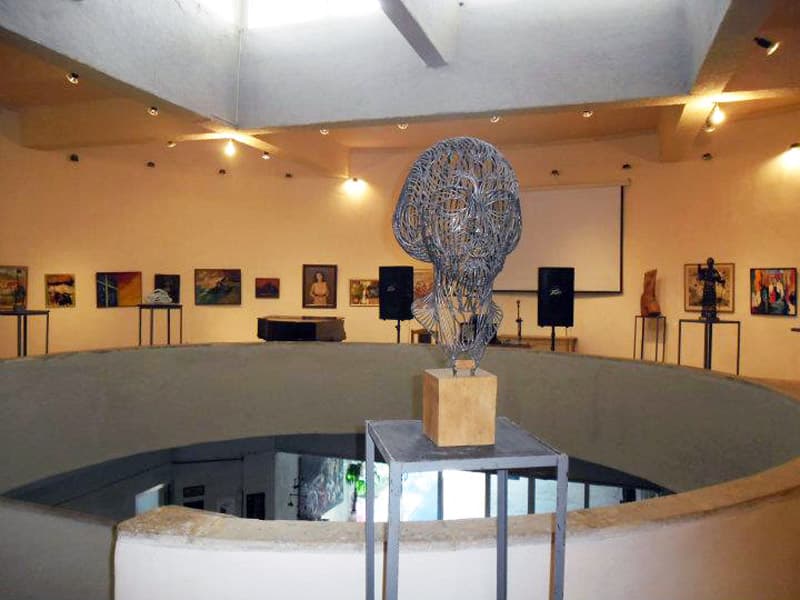
Hay Art Gallery and Cultural Center
Hay Art Gallery and Cultural Center was founded in 1997 with the support of the municipality of Yerevan. The goal of having a cultural center in the city was to create a unique space for art and artists. The cultural center unites East and West, where language barriers disappear, there is no politics and everyone speaks only the language of art.
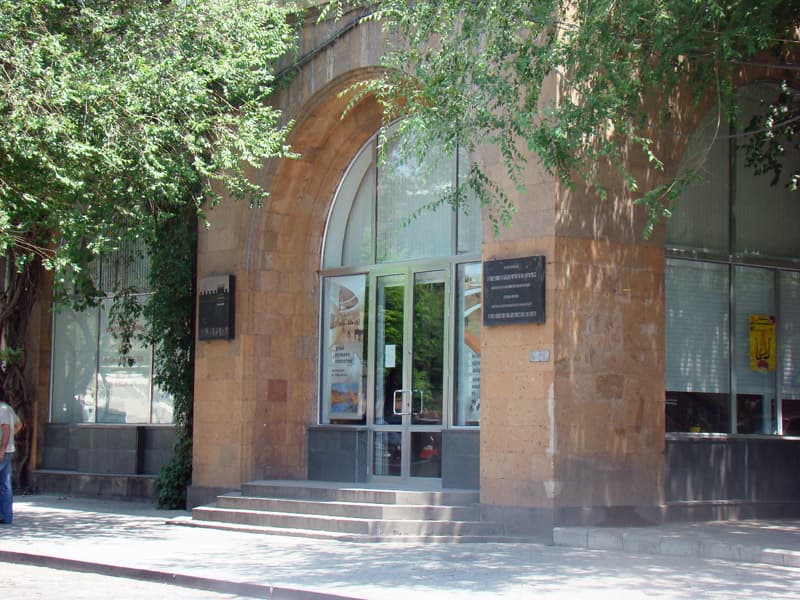
Museum of Russian Art
The Museum of Russian Art was opened thanks to the collection of Professor Aram Yakovlevich Abramyan, the Hero of Socialist Labor and Honored Scientist. Thanks to Professor Abrahamyan, the Russian Art Museum owns the works of more than 120 Russian artists of the XIX and XX.

Literature & Art Museum
Literature & Art Museum after Yeghishe Charents was opened in 1921. The museum represents a collection of more than 1 million pieces of Armenian literature since the 18th century, including works of Sayat-Nova, his musical instruments, and sound recordings. The museum is considered one of the largest in the country.
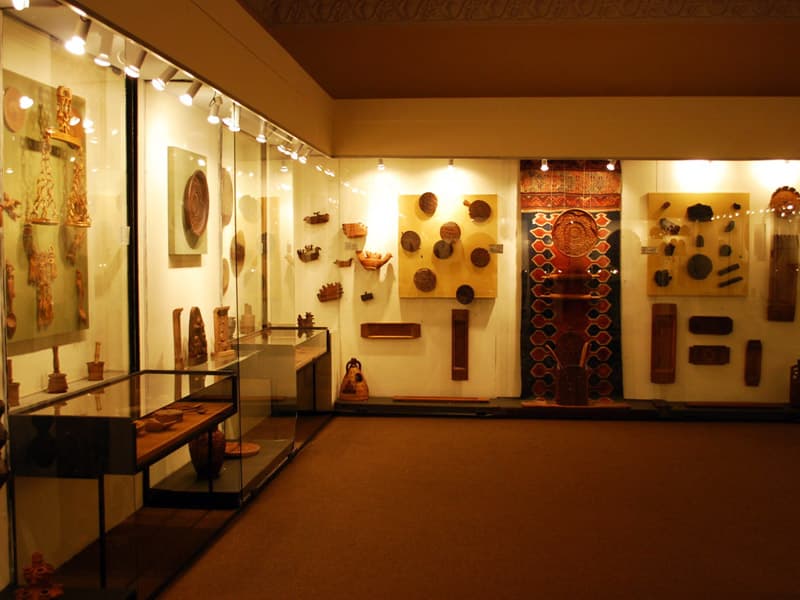
Museum of Armenian Folk Art
The Museum of Folk Art is the center of culture, where samples of Armenian arts and crafts and fine arts are exhibited. The exhibits have been collected for the museum since the 1930s. An enthusiast to open such a museum was ethnographer Abetnak Babayan and later, in 1978 the museum of folk art was opened on the basis of collected specimens.
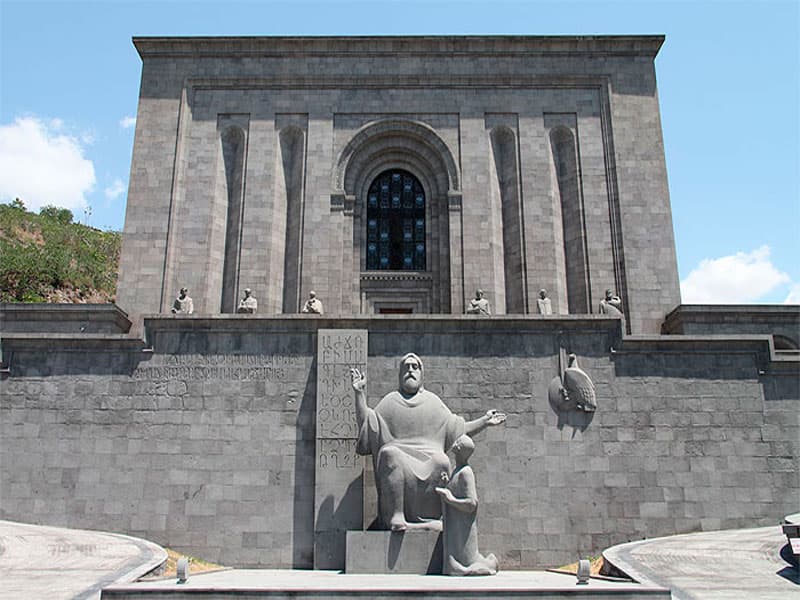
Matenadaran
On the slope of one of the picturesque hills of Yerevan, on the northern outskirts of Mesrop Mashtots Avenue, rises one of the most modern monuments of Armenian architecture – Matenadaran – a unique research institute of ancient manuscripts, where ancient treasures of Armenian spiritual culture are preserved and studied.
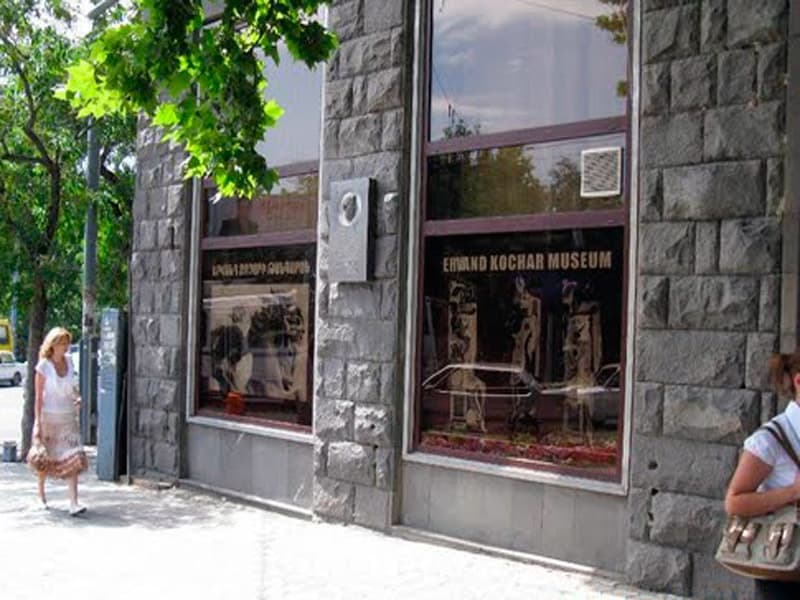
House-Museum of Yervand Kochar
The museum of Ervand Kochar represents the largest collection of works of the great master. There are kept and presented sculptures, graphics, oil paintings, as well as the personal stuff of the artist. The works of artist exhibited in the museum belong to “Tiflis”, “Paris” and “Yerevan” period.

House-Museum of Avetik Isahakyan
The house-museum of Avetik Isahakian, in which he lived the last ten years of his life, is located in a secluded place on Zarobyan Street. The museum was opened in 1963 as a sign of respect for the memory of the great writer.

Mother Armenia Military Museum
Mother Armenia military museum is located in Victory Park under the monument of Mother Armenia, which stands high on a hill. From here one of the best panoramas of Yerevan opens. The monument was opened in 1967 on the site of the statue of Stalin. The 22-meter figure of Mother Armenia became one of the main symbols of Yerevan: a symbol of the courage of the people.

History Museum of Armenia
The main museum of Armenia is the National History Museum, located on the Republic Square. The elegant and refined museum building is one of the most famous postcards of Yerevan. This miracle of architecture, together with “singing fountains” in front of it, harmoniously blends into the overall architectural ensemble of the Republic Square.

Museum of Sergei Parajanov
A genius with Armenian roots who had never lived in his native country now has his own house-museum, with all his heritage kept. The great director Sergei Paradzhanov, the founder of a new direction in cinematography, is famous all over the world.

The National Gallery of Armenia
Museums and galleries are a reflection of the culture and history of any country. Armenia is often associated with foreigners as a “huge open-air museum”, thanks to ancient monasteries, temples, fortresses and khachkars, preserved for thousands of years of existence of this ancient country.

Yererouk Basilica
The Yererouk Basilica is located in the village of Yererouk (Anipemza), near the Akhuryan River, Shirak region. The basilica was built in the second half of the V century by the princes of the Kamsarakan family, who at that time owned those lands.
1
...
10
11
12
...
34